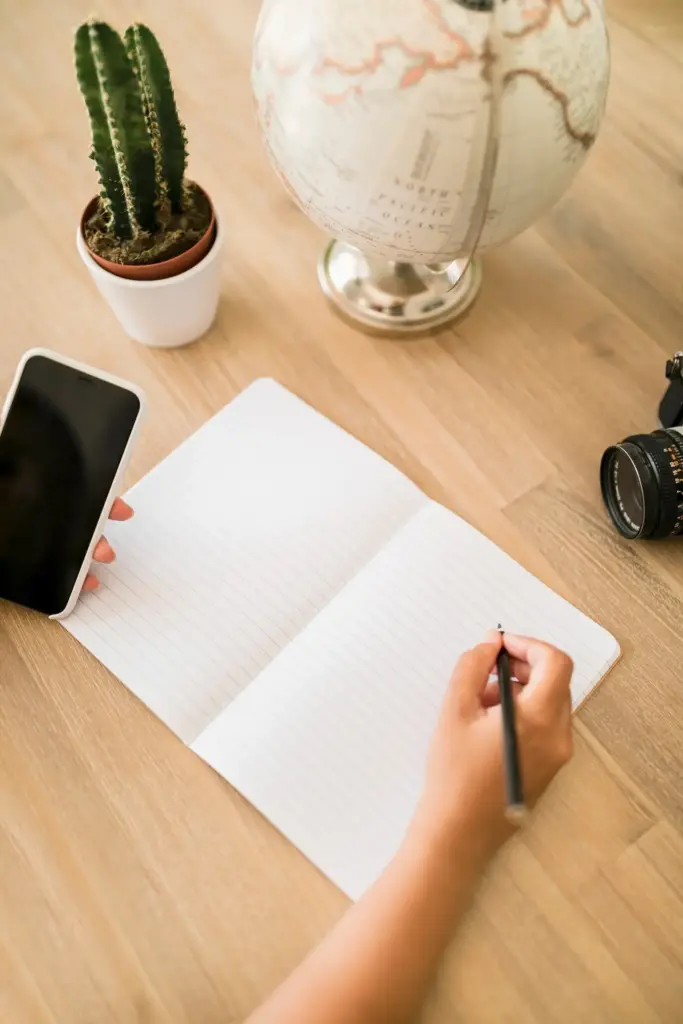









A thin notebook slips into any bag or pocket and opens faster than an app. Use one page for each day, or a never-ending running list. Date the top, circle key words, and add page numbers as landmarks. Paper’s frictionless start helps shy ideas speak before they disappear into busyness.
Find the app that launches in one tap and supports search. Create one pinned note named Inbox, then a few folders with friendly labels. Avoid templates until your habits stabilize. If it syncs across devices, even better. The measure of success is speed and retrieval, not sophistication or decoration.
Use your phone’s built-in voice memo or dictation from the lock screen. Speak naturally, include a keyword, and stop. Later, transcribe or paste into your inbox. This captures driveway thoughts, grocery-line flashes, and walking insights safely, without fumbling with interfaces that would otherwise scare quiet ideas away.

Once a day, set a tiny timer, open your inbox, and nudge items into obvious buckets. Do not overthink. If something needs action, add one small verb and a date. This micro-ritual prevents backlog buildup, shrinks anxiety, and makes every future search cleaner, faster, and kinder to your focus.

Pick a repeatable time—Friday afternoon or Sunday evening. Skim Active Work, close or rename what changed, and park paused items in Someday. Revisit Useful References and trim duplicates. End by starring three must-move notes. A short, honest reset beats grand plans, keeping momentum friendly, sustainable, and confidently under your control.

Reserve a five-minute window during transitions—after coffee, before lunch, or leaving the office. Use it to empty pockets, transcribe voice notes, and send emails to yourself. Repeated daily, this modest pause becomes a safety net for insight, ensuring nothing valuable slips through the cracks of a busy schedule.
Promise yourself messy first captures and tidy later. Use a phrase like good enough for now to move forward. Limit sorting sessions to brief windows, so you cannot spiral into polishing. Imperfect notes that you can find tomorrow outperform perfect notes that never get written or are lost entirely.
If you catch yourself reorganizing icons or testing new apps, pause and return to the three steps: capture, sort, search. Choose the simplest tool that opens fast, then stop optimizing. The win is measured by finished outcomes, not settings adjusted. Simplicity restores attention to the ideas themselves, where it belongs.
Add friendly keywords to the top of important notes—names, dates, and outcomes. Create a tiny index page for each active project with links or page numbers. During quiet moments, add breadcrumbs between related pages. These three habits rescue future you from panic, delivering answers exactly when they are urgently needed.
All Rights Reserved.